Nov 7, 2025
Slow Travel Becomes the New Luxury
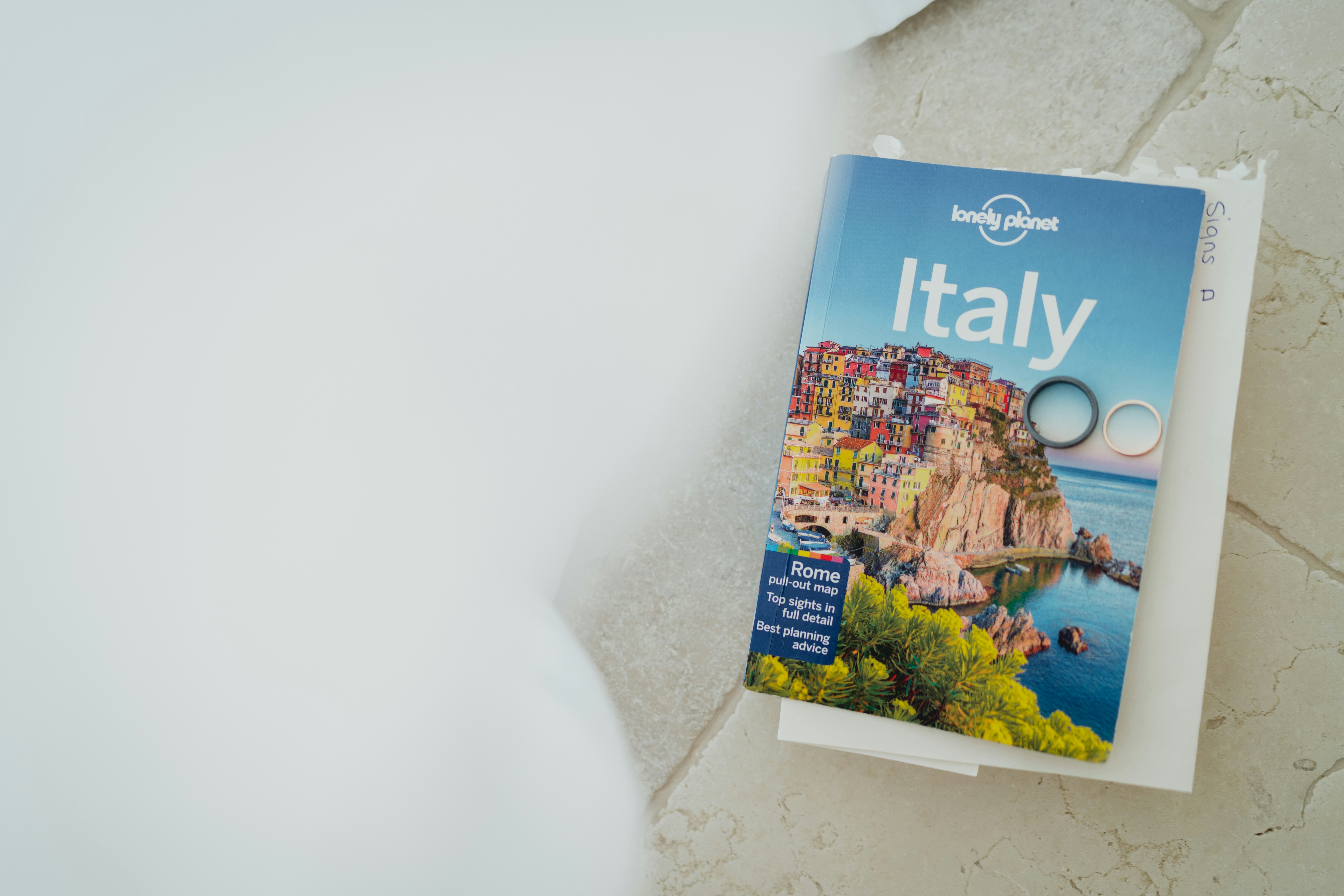
Italy enters 2026 at a moment when global travel is being reshaped—not by speed or automation, but by a return to depth, meaning and human connection. While technology continues to streamline logistics and enhance comfort, travellers are increasingly seeking experiences that feel personal, culturally rich and emotionally resonant. And nowhere embodies this shift more naturally than Italy.
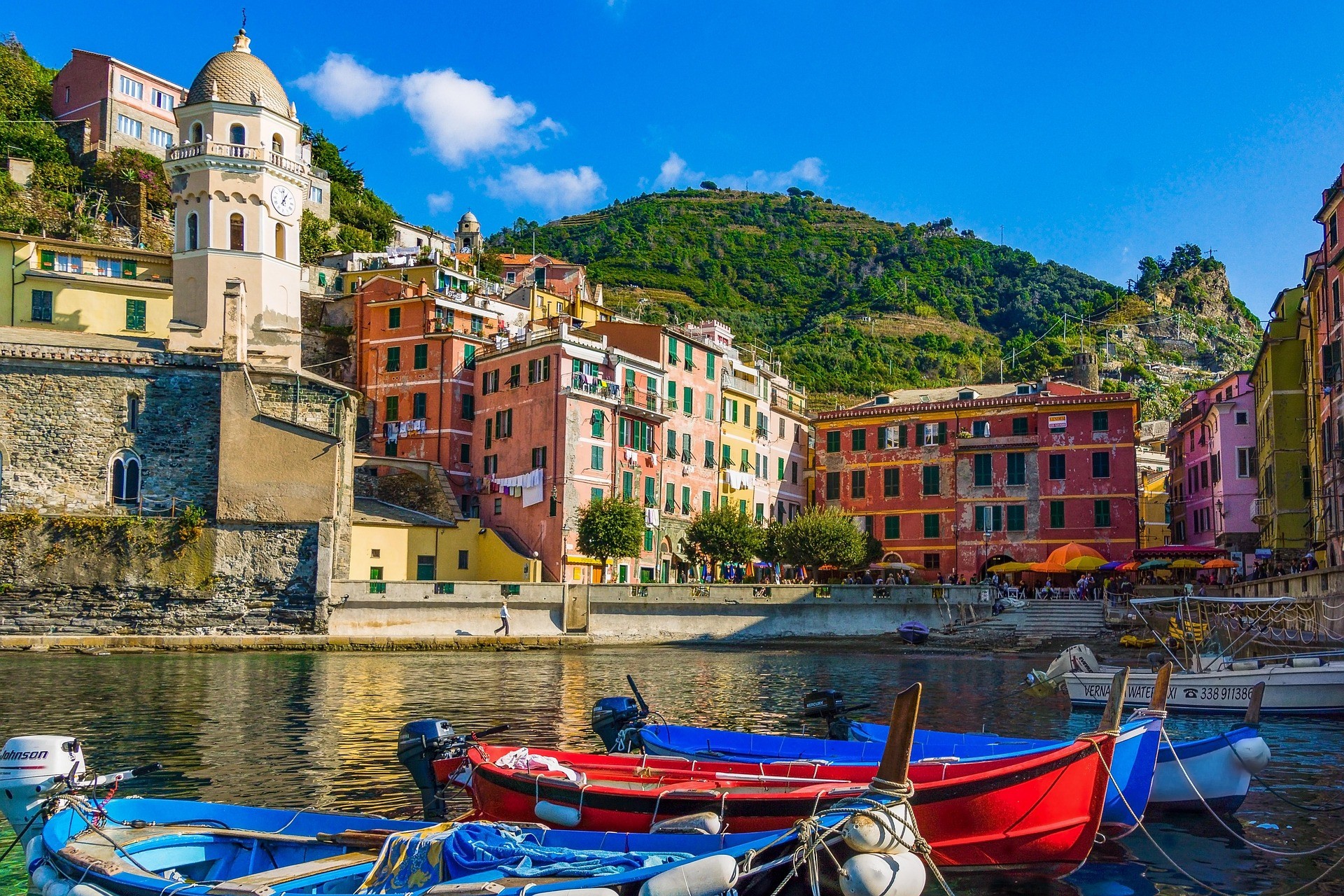
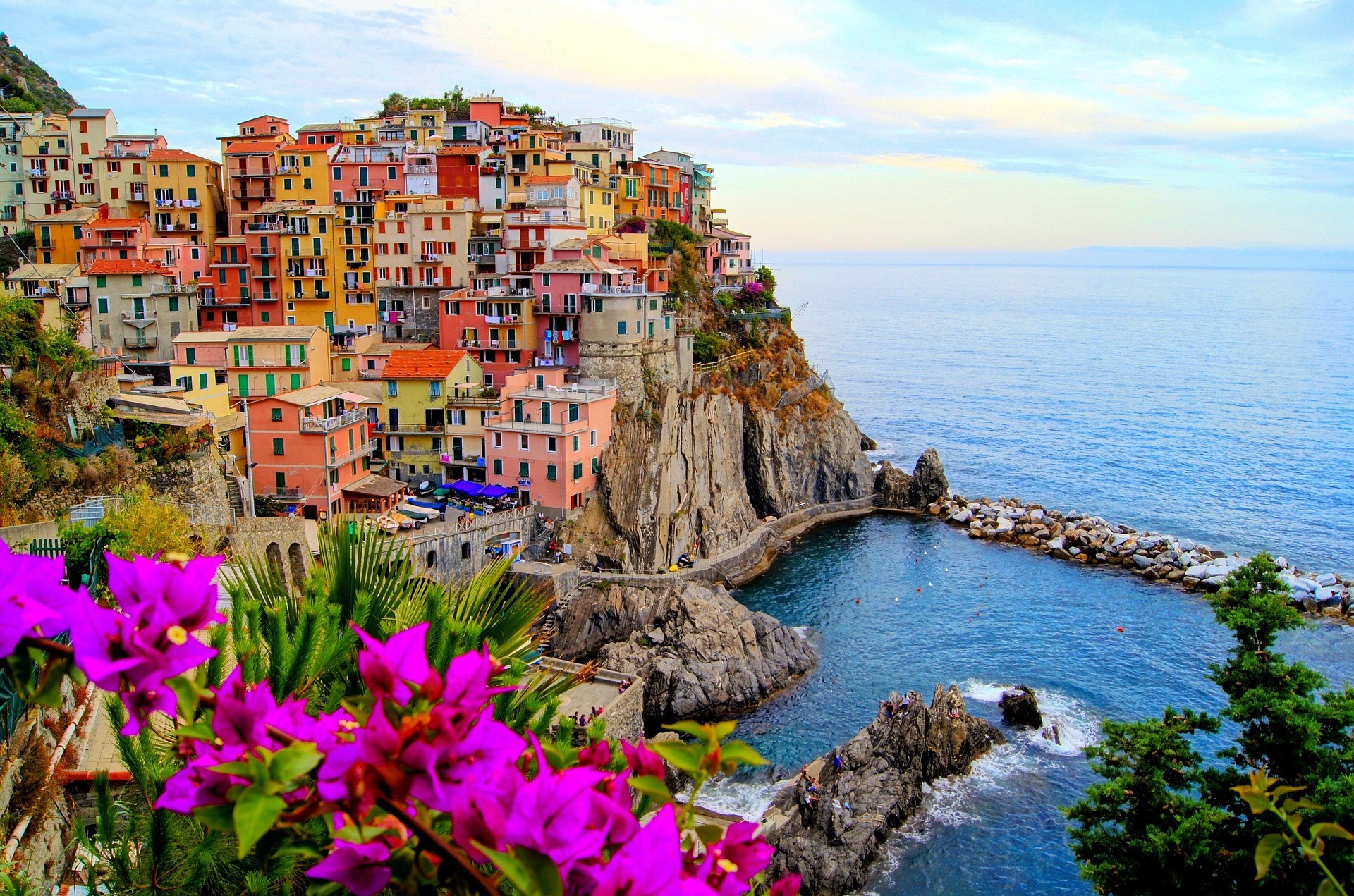
In 2026, Italy stands at the forefront of the slow-travel renaissance. Travellers are choosing fewer destinations, longer stays, and itineraries with space to breathe. Tuscany’s Val d’Orcia, the Euganean Hills, Piedmont’s wine roads and the Ligurian coastline remain among the most sought-after regions—not for checklists, but for stillness, landscapes, and everyday beauty.
Luxury in 2026 is not defined by gold-plated amenities but by time: time to immerse, savour, understand and feel Italy beyond the surface.
While the travel industry increasingly relies on automation and instant itinerary generators, 2026 brings a countertrend: human-led travel design.
Travellers no longer want templated routes; they want the quiet intelligence of someone who understands nuance, emotion, culture and unspoken preferences. Italy’s boutique travel scene is responding with personalised journeys shaped by expert guides, storytellers, artisans and local hosts.
Technology supports the process, but exclusivity now lies in the human touch.
Exclusive, Intimate Experiences Over Mass Tourism
Crowds and overtourism have shifted travellers away from saturated hubs and toward curated, high-touch moments. In 2026, exclusivity means:
private terrace dinners overlooking Venice’s canals
after-hours access to Rome’s ancient sites
intimate wine tastings on family estates in Montalcino
artisan workshops in Florence normally closed to the public
Smaller, quieter, more personal encounters are overtaking the old model of “VIP fast-track” tourism. People want intimacy, not just access.
The Future of Italian Travel Is Human
Italy’s cultural appeal has always been strong, but 2026 brings a new expectation: depth with emotional resonance. Travellers want:
personal encounters with artists, winemakers, historians
experiences that explain why Italy is the way it is
itineraries shaped around identity, heritage, or personal meaning
A museum visit becomes a story. A wine tasting becomes a lineage. A walk through Florence becomes a reflection on beauty and craft.
Italy’s 2026 travel identity is defined by:
slow rhythms
intentional experiences
cultural intelligence
exclusive yet humble luxury
human presence supported by smart technology
As the world accelerates, Italy invites travellers to slow down, connect deeply, and feel something real. The renaissance of travel begins not with an algorithm—but with a person, a place, and a moment that stays with you.
Latest Updates
2026
Nov 7, 2025
Slow Travel Becomes the New Luxury
Italy enters 2026 at a moment when global travel is being reshaped—not by speed or automation, but by a return to depth, meaning and human connection. While technology continues to streamline logistics and enhance comfort, travellers are increasingly seeking experiences that feel personal, culturally rich and emotionally resonant. And nowhere embodies this shift more naturally than Italy.
In 2026, Italy stands at the forefront of the slow-travel renaissance. Travellers are choosing fewer destinations, longer stays, and itineraries with space to breathe. Tuscany’s Val d’Orcia, the Euganean Hills, Piedmont’s wine roads and the Ligurian coastline remain among the most sought-after regions—not for checklists, but for stillness, landscapes, and everyday beauty.
Luxury in 2026 is not defined by gold-plated amenities but by time: time to immerse, savour, understand and feel Italy beyond the surface.
While the travel industry increasingly relies on automation and instant itinerary generators, 2026 brings a countertrend: human-led travel design.
Travellers no longer want templated routes; they want the quiet intelligence of someone who understands nuance, emotion, culture and unspoken preferences. Italy’s boutique travel scene is responding with personalised journeys shaped by expert guides, storytellers, artisans and local hosts.
Technology supports the process, but exclusivity now lies in the human touch.
Exclusive, Intimate Experiences Over Mass Tourism
Crowds and overtourism have shifted travellers away from saturated hubs and toward curated, high-touch moments. In 2026, exclusivity means:
private terrace dinners overlooking Venice’s canals
after-hours access to Rome’s ancient sites
intimate wine tastings on family estates in Montalcino
artisan workshops in Florence normally closed to the public
Smaller, quieter, more personal encounters are overtaking the old model of “VIP fast-track” tourism. People want intimacy, not just access.
The Future of Italian Travel Is Human
Italy’s cultural appeal has always been strong, but 2026 brings a new expectation: depth with emotional resonance. Travellers want:
personal encounters with artists, winemakers, historians
experiences that explain why Italy is the way it is
itineraries shaped around identity, heritage, or personal meaning
A museum visit becomes a story. A wine tasting becomes a lineage. A walk through Florence becomes a reflection on beauty and craft.
Italy’s 2026 travel identity is defined by:
slow rhythms
intentional experiences
cultural intelligence
exclusive yet humble luxury
human presence supported by smart technology
As the world accelerates, Italy invites travellers to slow down, connect deeply, and feel something real. The renaissance of travel begins not with an algorithm—but with a person, a place, and a moment that stays with you.
Latest Updates
2026
Nov 7, 2025
Slow Travel Becomes the New Luxury
Italy enters 2026 at a moment when global travel is being reshaped—not by speed or automation, but by a return to depth, meaning and human connection. While technology continues to streamline logistics and enhance comfort, travellers are increasingly seeking experiences that feel personal, culturally rich and emotionally resonant. And nowhere embodies this shift more naturally than Italy.
In 2026, Italy stands at the forefront of the slow-travel renaissance. Travellers are choosing fewer destinations, longer stays, and itineraries with space to breathe. Tuscany’s Val d’Orcia, the Euganean Hills, Piedmont’s wine roads and the Ligurian coastline remain among the most sought-after regions—not for checklists, but for stillness, landscapes, and everyday beauty.
Luxury in 2026 is not defined by gold-plated amenities but by time: time to immerse, savour, understand and feel Italy beyond the surface.
While the travel industry increasingly relies on automation and instant itinerary generators, 2026 brings a countertrend: human-led travel design.
Travellers no longer want templated routes; they want the quiet intelligence of someone who understands nuance, emotion, culture and unspoken preferences. Italy’s boutique travel scene is responding with personalised journeys shaped by expert guides, storytellers, artisans and local hosts.
Technology supports the process, but exclusivity now lies in the human touch.
Exclusive, Intimate Experiences Over Mass Tourism
Crowds and overtourism have shifted travellers away from saturated hubs and toward curated, high-touch moments. In 2026, exclusivity means:
private terrace dinners overlooking Venice’s canals
after-hours access to Rome’s ancient sites
intimate wine tastings on family estates in Montalcino
artisan workshops in Florence normally closed to the public
Smaller, quieter, more personal encounters are overtaking the old model of “VIP fast-track” tourism. People want intimacy, not just access.
The Future of Italian Travel Is Human
Italy’s cultural appeal has always been strong, but 2026 brings a new expectation: depth with emotional resonance. Travellers want:
personal encounters with artists, winemakers, historians
experiences that explain why Italy is the way it is
itineraries shaped around identity, heritage, or personal meaning
A museum visit becomes a story. A wine tasting becomes a lineage. A walk through Florence becomes a reflection on beauty and craft.
Italy’s 2026 travel identity is defined by:
slow rhythms
intentional experiences
cultural intelligence
exclusive yet humble luxury
human presence supported by smart technology
As the world accelerates, Italy invites travellers to slow down, connect deeply, and feel something real. The renaissance of travel begins not with an algorithm—but with a person, a place, and a moment that stays with you.
Latest Updates
2026